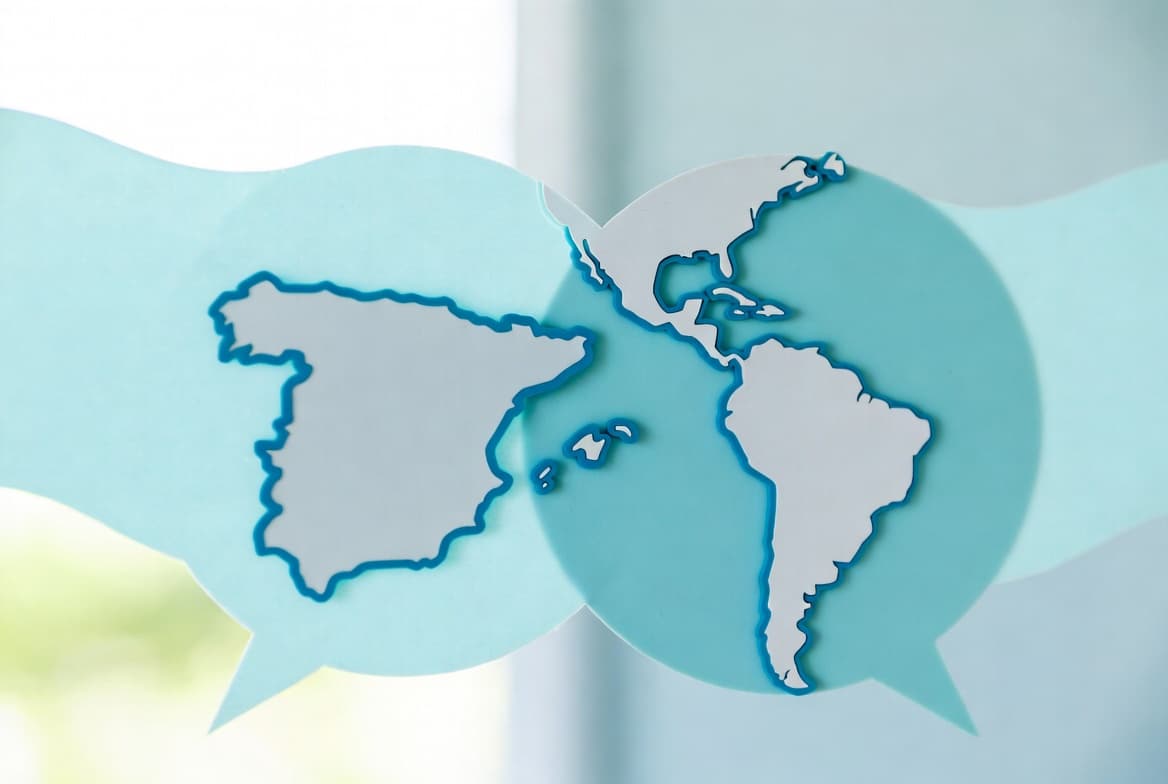
Spanish Festivals and Traditions: What Every Learner Should Know
One of the most exciting parts of learning Spanish is discovering the vibrant culture behind the language. Spanish-speaking countries are famous for their lively festivals, deep traditions, and unique way of celebrating life.
In this guide, you’ll learn about the most important festivals and traditions, the vocabulary to talk about them, and cultural insights that will help you understand and participate like a local.
1. La Tomatina (Spain)
When: Last Wednesday of August in Buñol (Valencia)
What is it? The world’s biggest food fight. Thousands of people throw over 100 tons of ripe tomatoes at each other.
Useful Vocabulary:
- la tomatina → the tomato fight
- tirar tomates → to throw tomatoes
- estar cubierto de tomate → to be covered in tomato
Phrase to use:
“El año que viene quiero ir a La Tomatina. ¡Debe ser divertidísimo!”
2. Las Fallas (Valencia, Spain)
When: March (culminates on March 19th)
What is it? Massive, artistic wooden sculptures (fallas) are built and then burned in huge bonfires.
Vocabulary:
- la falla → the sculpture
- quemar → to burn
- la mascletà → loud firecracker show
This festival perfectly represents the Spanish spirit: create something beautiful, then let it go in a big celebration.
3. Semana Santa (Holy Week – Spain & Latin America)
When: Week before Easter
What is it? One of the most important religious celebrations. Processions with religious statues (pasos) fill the streets.
Vocabulary:
- la procesión → procession
- el paso → religious float
- nazareno → person in the procession wearing a hood
Cultural note: In Seville, it’s especially spectacular and emotional.
4. Día de los Muertos (Mexico & Latin America)
When: November 1–2
What is it? A beautiful celebration honoring deceased loved ones with altars, flowers, food, and colorful skulls (calaveras).
Vocabulary:
- el altar de muertos → altar for the dead
- las calaveras → sugar skulls
- las ofrendas → offerings
Key difference: Unlike Halloween, this is a warm, colorful, and respectful celebration of life and death.
5. Other Important Traditions
- El Carnaval (especially in Rio, Cádiz, Barranquilla) – Huge parties with costumes and music
- San Fermín (Pamplona) – Running of the bulls
- Fiestas Patrias (various countries) – Independence Day celebrations
- Navidad y Reyes Magos – Christmas and Three Kings Day (Jan 6)
How to Talk About Festivals in Spanish
- ¿Has ido alguna vez a La Tomatina?
- Me encantaría vivir una Fallas en Valencia.
- En México, el Día de los Muertos es una fiesta muy bonita.
- ¿Qué tradiciones celebran en tu país?
Pro tip: Spaniards and Latin Americans love when foreigners show interest in their traditions. Asking questions about festivals is a great way to make friends.
Practice Exercises
- Complete: “El año pasado fui a ________ en Valencia y fue increíble.”
- What festival involves throwing tomatoes?
- True or False: Día de los Muertos is a sad holiday.
Keep reading

Shadowing in Spanish: How to Improve Your Pronunciation, Listening & Fluency Fast (Step-by-Step Guide)
Struggling to sound natural in Spanish or understand fast speech? Discover the shadowing technique used by interpreters and successful learners. Step-by-step guide + best resources for 2026 + how to combine it with Bocabla for faster results.

Bocabla is now live on Product Hunt 🚀
Bocabla: Master Spanish is now live on Product Hunt! Learn Spanish smarter with Smart Review (FSRS), achieving 88%+ retention with 20-30% less effort. Designed specifically for English speakers who want real conversational fluency.
Spanish Food & Restaurant Vocabulary: 50+ Essential Words and Phrases
Master Spanish food vocabulary with this fun storytelling guide. Learn 50+ words and phrases to order confidently, understand menus, and enjoy restaurants like a local in Spain and Latin America.