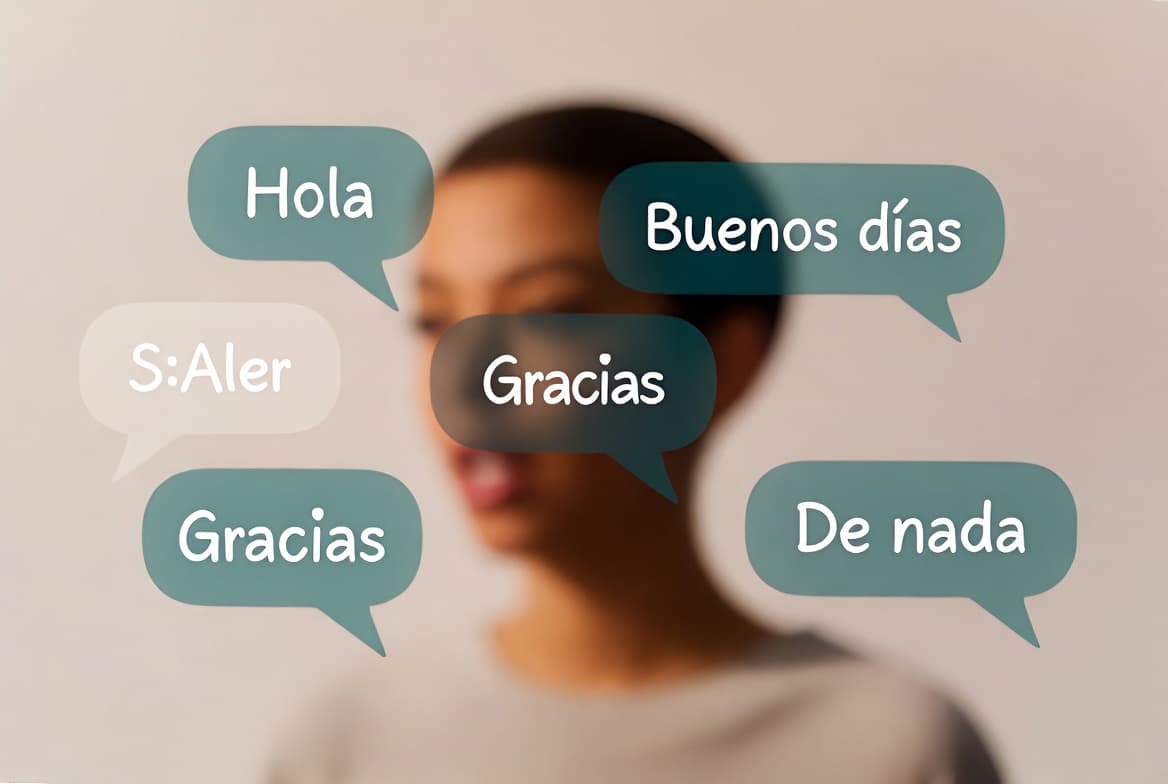
How to Sound More Natural in Spanish: 15 Practical Tips from Real Conversations
Knowing grammar is important, but natives don’t speak like textbooks. Here are 15 practical tips with real-life examples to help you sound much more natural when speaking Spanish.
1. Use “Vale” and “Bueno” constantly
These are the most common filler words in Spanish.
- Natural: Vale, nos vemos mañana a las 8.
- Textbook: De acuerdo, nos vemos mañana a las 8.
- Natural: Bueno, no sé… ¿qué piensas tú?
- Textbook: No estoy seguro. ¿Qué piensas tú?
2. Drop subject pronouns (Yo, Tú, Él…)
Spanish is a pro-drop language.
Less natural: Yo vivo en Barcelona. Yo trabajo en una escuela.
Natural: Vivo en Barcelona. Trabajo en una escuela.
3. Master the most useful filler words
- Pues… → Well… / So…
Ejemplo: Pues la verdad es que no me gusta mucho.
- O sea… → I mean… / Like…
Ejemplo: O sea, es que no tengo tiempo ahora.
- A ver… → Let’s see… / Well…
Ejemplo: A ver, explícamelo otra vez.
4. Use “Qué + adjective” for strong reactions
Basic: La comida está buena.
Natural: ¡Qué rica la comida!
Basic: La película es interesante.
Natural: ¡Qué interesante la película!
5. Use diminutives to sound friendlier
- Un momentito = Just a second
- Una cervecita = A little beer
- Un ratito = A little while
Ejemplo: Espérame un ratito, ahora voy.
6. Replace “No me importa” with “Me da igual”
More natural: Me da igual dónde cenemos.
Less natural: No me importa dónde cenemos.
7. Use “Ya” in many creative ways
- Ya voy = I’m on my way
- Ya está = It’s done / That’s it
- Ya verás = You’ll see
8. Learn reactions natives actually use
- ¡Anda! (No way!)
- ¡No me digas! (You’re kidding!)
- ¡Venga ya! (Come on!)
9. Use “Tío / Tía” (in Spain) or “Che” (in Argentina)
España: Tío, ¿vienes o qué?
Argentina: Che, ¿qué hacés este fin de semana?
10. Speak in chunks, not word by word
Instead of: “Quiero ir al supermercado para comprar comida.”
Natural: “Voy al súper a comprar unas cosas.”
Want to practice all these natural expressions with real audio and intelligent repetition?
Try Bocabla for free →
Keep reading

Shadowing in Spanish: How to Improve Your Pronunciation, Listening & Fluency Fast (Step-by-Step Guide)
Struggling to sound natural in Spanish or understand fast speech? Discover the shadowing technique used by interpreters and successful learners. Step-by-step guide + best resources for 2026 + how to combine it with Bocabla for faster results.

Bocabla is now live on Product Hunt 🚀
Bocabla: Master Spanish is now live on Product Hunt! Learn Spanish smarter with Smart Review (FSRS), achieving 88%+ retention with 20-30% less effort. Designed specifically for English speakers who want real conversational fluency.
Spanish Food & Restaurant Vocabulary: 50+ Essential Words and Phrases
Master Spanish food vocabulary with this fun storytelling guide. Learn 50+ words and phrases to order confidently, understand menus, and enjoy restaurants like a local in Spain and Latin America.